The pursuit of a slimmer physique is incredibly widespread in modern society, but is it always beneficial? While losing weight can undeniably boost health and promote self-esteem, sometimes a quick decrease in weight can be a indicator of potential concerns. Extreme dieting or unhealthy methods of reducing food intake might result in nutrient deficiencies, decrease in muscle mass, and even impact bodily processes. Therefore, it’s essential to approach weight management with caution and, ideally, under the direction of a medical expert who can examine specific requirements and promote a secure and lasting program.
Unexplained Weight Loss: When to Worry
Unintentional reduction in physical weight, especially when you're not trying to shed pounds, can be a cause for alarm. While the few instances might be due to simple lifestyle adjustments, it’s vital to get medical advice if you experience a significant decline in your weight without making dietary or physical alterations. Possible medical issues, such as certain cancers, can often manifest as unintended weight thinning. It’s best to err on the side of prevention and consult your physician for a thorough evaluation, particularly if this weight change is accompanied by other indications like fatigue, fever, or ongoing bowel problems.
Periodic Abstinence for Weight Loss: Upsides & Dangers Explained
The popularity of periodic abstinence as a method for body loss continues to rise, fueled by reports of multiple physical benefits. While studies does indicate likely advantages, such as enhanced blood sugar regulation and possible cellular repair, it's crucial to understand both the beneficial and negative aspects. Simply put, fasting entails alternating between periods of normal nutrient intake and voluntary abstinence from nourishment. However, this routine isn't appropriate for each person; particular individuals, such as people who are carrying, lactating, or have pre-existing physical ailments, should seek advice from a physician professional before embarking on a dietary program. Furthermore, potential drawbacks may involve vitamin deficiencies, muscle depletion, and dehydration if not managed carefully. Therefore, thorough investigation and medical guidance are essential before implementing any variation of periodic abstinence for fat reduction.
Weight Loss & Cancer: What Does It Genuinely Mean?
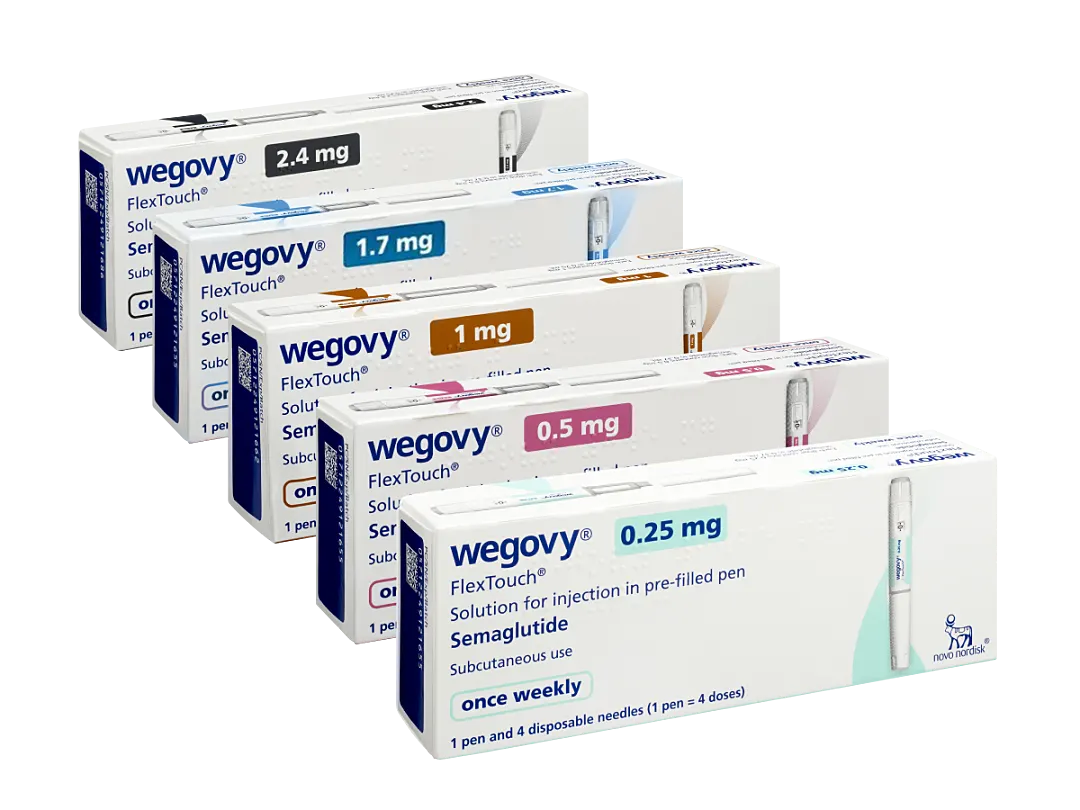
The connection between weight loss and cancer is intricate and often misunderstood. While losing weight can be helpful weight loss drug starts with r for overall health, particularly if overweight, it's crucial to understand the nuances. For some individuals, unintentional size reduction can be a sign of cancer, signaling that something is not right within the body. However, many other reasons can also lead to sudden weight decrease, like stress, digestive issues, or other health problems. Conversely, actively trying to slim down through diet and exercise can enhance cancer outcomes and overall well-being, especially in those who are already diagnosed cancer. Therefore, it's necessary to have an frank talk with your healthcare provider to evaluate the explanation behind any significant weight variations and to formulate a customized plan.
Does Fast Size Loss Ever a Healthy Objective?
While many desire for fast weight reduction is understandable, it's crucial to consider whether it's ever a wise aim. Rapidly restrictive diets and demanding exercise programs typically lead to early success, but such may also trigger harmful bodily effects. Including might include nutrient deficiencies, body reduction, electrolyte imbalances, and even more health complications. Some manageable way to losing body usually includes slow modifications to diet and routine that support long-term well-being.
Decoding Body Shrinkage: Good Well-being or a Underlying Issue?
Unexplained weight shrinkage can be a surprisingly complex sign of overall well-being. While many people pursue body reduction through diet and exercise, a significant and unplanned decline in bodily bulk can sometimes reveal a more serious root conditioning concern. It's crucial to consider this beyond the simple desire for a slimmer shape; rapid loss could be linked to anything from malabsorption and thyroid concerns to, in more rare situations, even cancer. Therefore, seeing a physician is essential to establish the reason and ensure a full assessment before assuming it's merely a beneficial outcome of nutritional modifications.